It is believed that wine has been made in Lebanon for 5000 to 7000 years. The Phoenicians domesticated the first grapes in the region and spread winemaking throughout the region. In the mid 19th century, Jesuit monks brought Cinsault vines to the Bekaa Valley from Algeria (as a side note, Algeria also produced and imported wine into France while phylloxera swept through France in the 1870s). In 1923, Lebanon was placed under French mandate by the League of Nations, which officially lasted until 1946. This resulted in a significant French influence in wines produced. Wine production has been complicated by continued conflicts, whether they be civil wars, terrorist attacks, or strife with Israel, to name a few. The most commonly planted varieties are international varieties such as Cinsault, Cabernet Sauvignon, Mourvedré, Carignan, and Merlot. There are a couple indigenous white grape varieties also planted in significant quantities, Obaideh and Merwah. Lebanon produces over 10 million bottles of wine annually and exports about half. The most well known producer is Chateau Musar, which was founded by Gaston Hochar in 1930. Gaston became friends with Major Ronald Barton of Château Leoville-Baron (1855 2er Grand Cru Classé in Saint Julien) when the Major was stationed in Lebanon during WWII, which also helped shape the style of their wines.
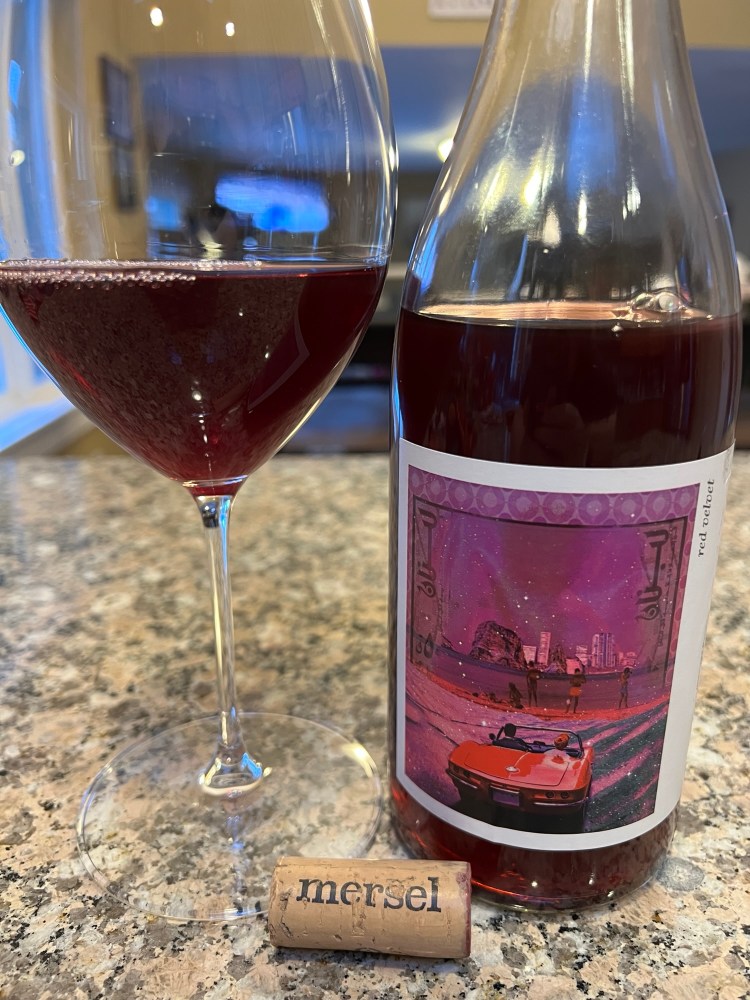
This week I drank a 2022 Mersel Red Velvet. This wine is 100% Cinsault that is made using carbonic maceration. Carbonic maceration creates light wines with bright red fruit flavors and hints of bubble gum or banana. It is the same process used in making Beaujolais nouveau. Wines made in this style can be lightly chilled prior to serving. The grapes used in this wine were grown in the Bekaa Valley on 10 years old vines. This wine is a bright magenta color with aromas of wild strawberries, cranberries, cinnamon stick, tart pie cherries, and ripe figs. On the palate, this dry, light bodied wine has a moderate level of acidity and light tannins. The vibrant red fruit notes dominate the palate with hints of spice and tartness on the medium length finish. The producer recommends serving this wine at 50 degrees, same as most white wines. It is a good food wine to pair with pizza, spaghetti, gyros, lasagna, or soft rinded cheese. This wine is intended to be drank young and is not suitable for further aging.
-TheLooseTannin
 A Trip Around the World of Wine in 52 Weeks